

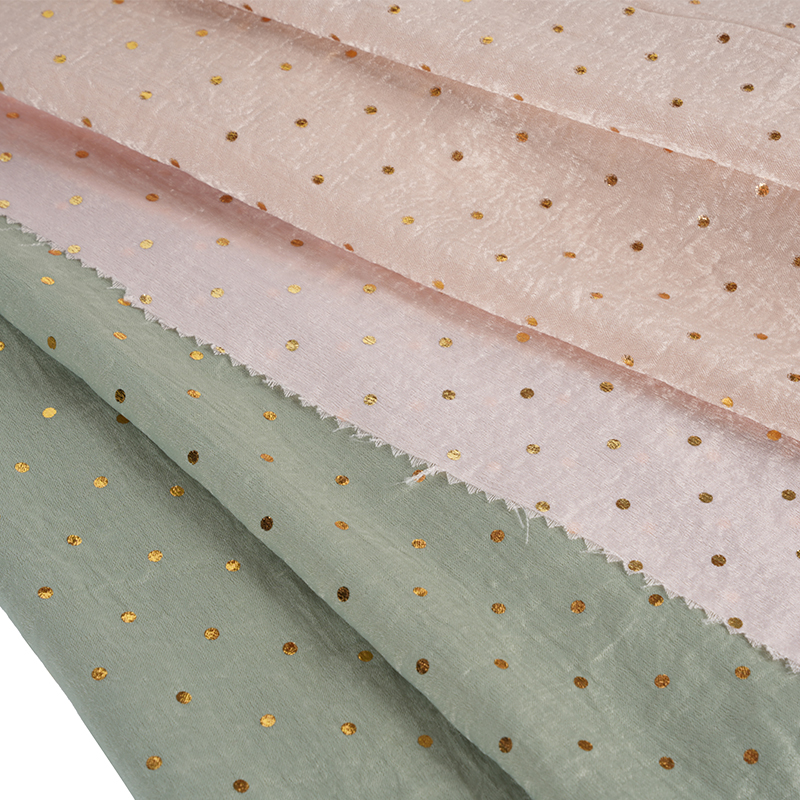

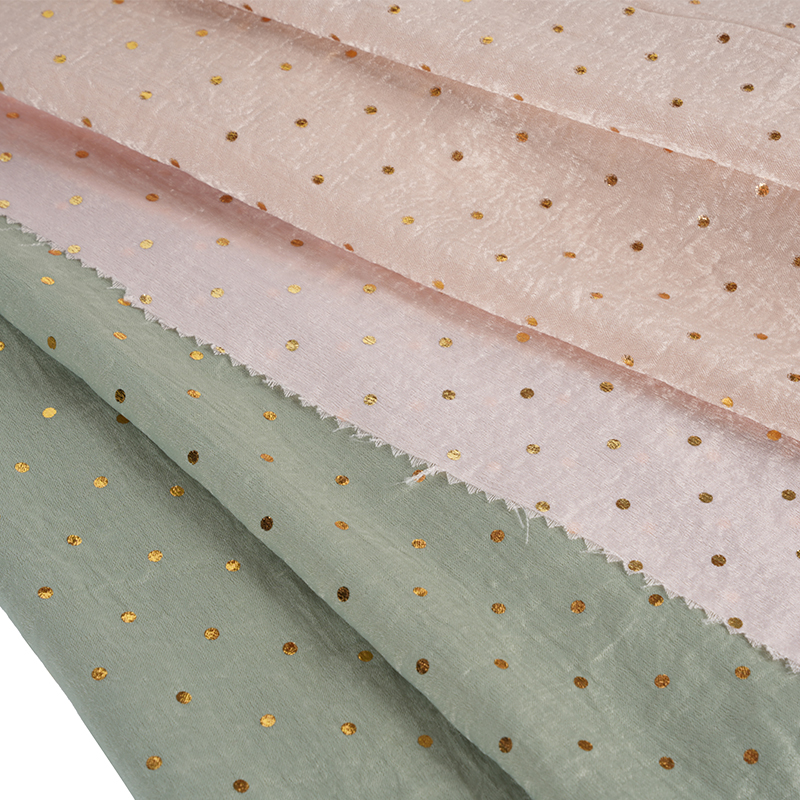
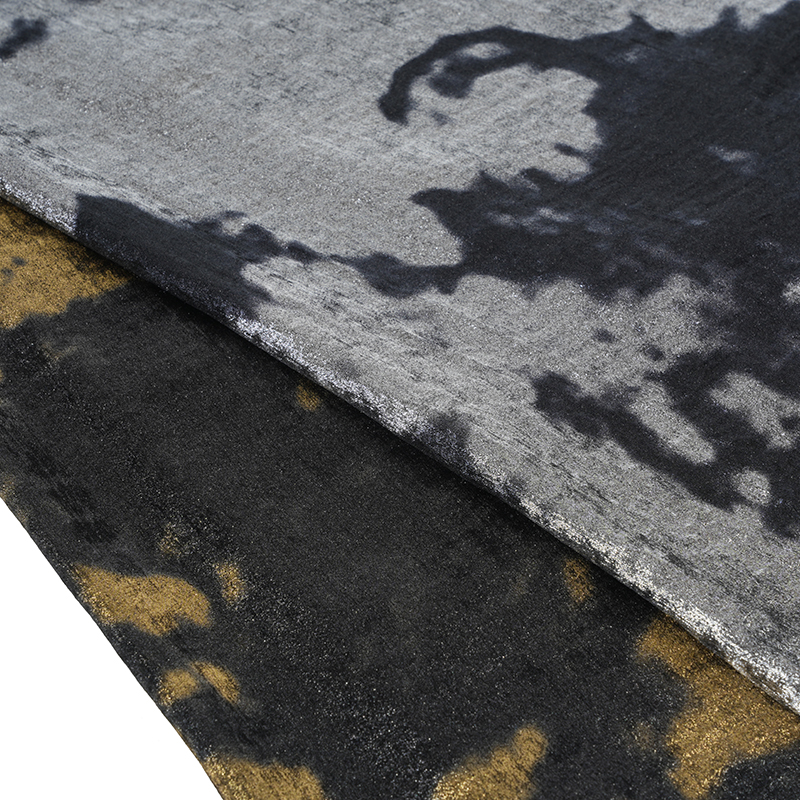
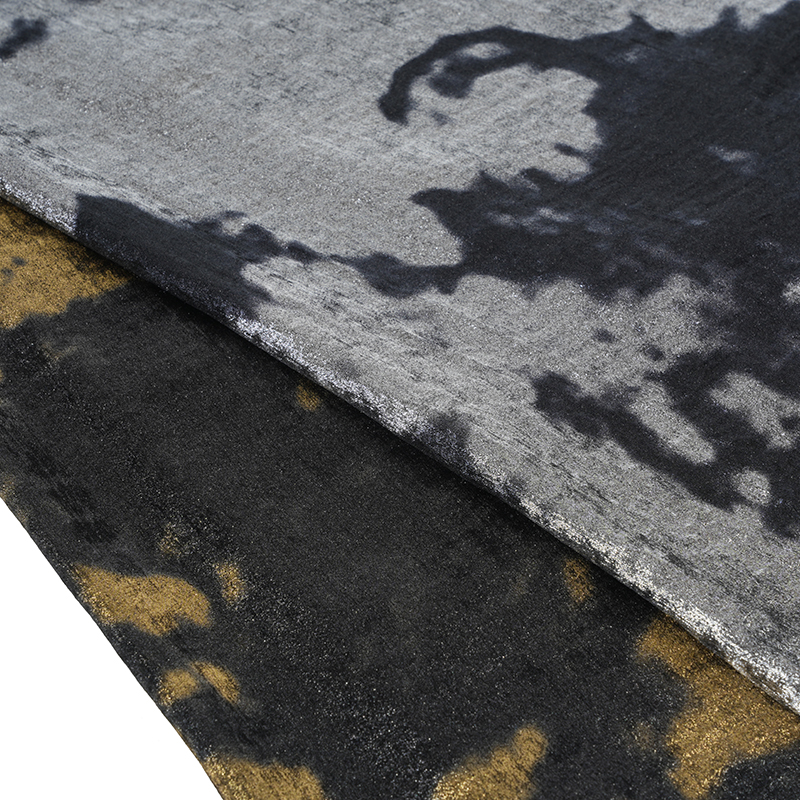
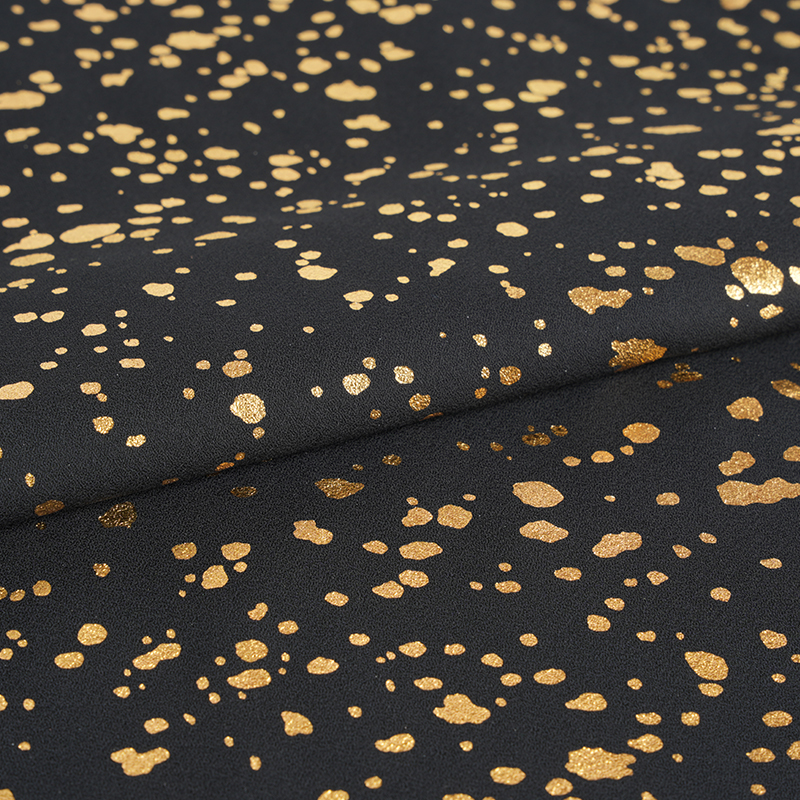
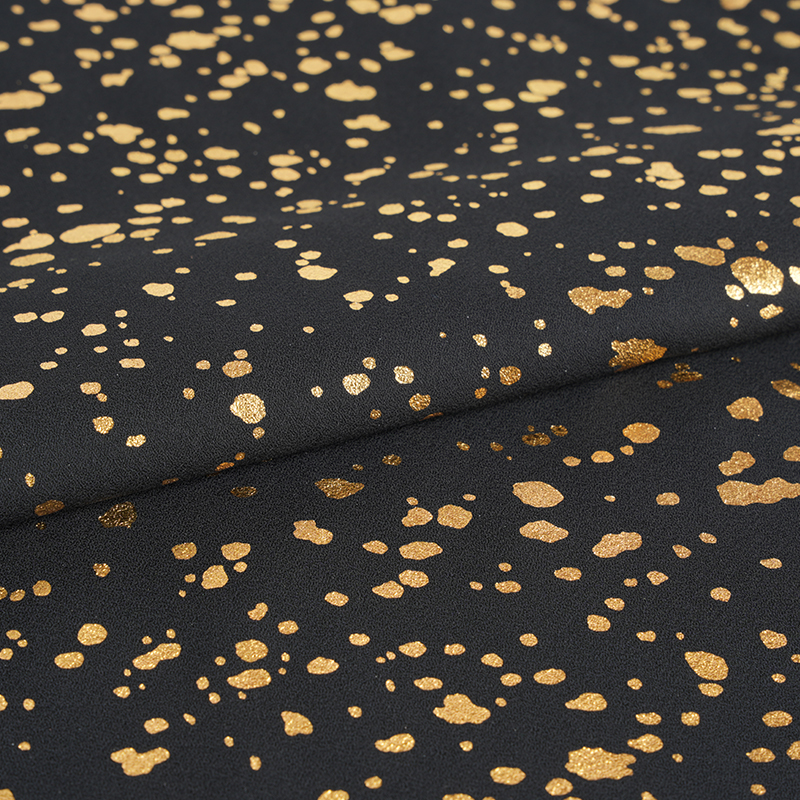
Yongjun Textile, fundada en 2003 y ubicada en China Light Textile City, uno de los principales mercados de textiles ligeros de Asia, está adyacente al Aeropuerto Internacional Hangzhou Xiaoshan, con transporte conveniente y comunicaciones bien desarrolladas. La empresa posee derechos independientes de importación y exportación y se especializa en producir y vender una amplia gama de forros tejidos y de punto, incluidos forros jacquard, lisos, de sarga, satinados y otros forros teñidos, así como forros procesados mediante diversas técnicas como teñido de hilo, estampado, vidriado, impresión, recubrimiento, estampado en caliente, quemado y compuesto. Los principales materiales utilizados en los productos son poliéster, poliéster-algodón, algodón, rayón, nailon, acetato, etc. Desde su creación, la empresa se ha adherido constantemente a la filosofía empresarial de "esforzarse por alcanzar altos estándares (mejora y refinamiento continuo), precisión (clara y precisa), velocidad (satisfacer rápidamente las necesidades de los clientes) e innovación (innovación constante)", y se compromete a brindar a los clientes productos y servicios de alta calidad.
La empresa cuenta con un equipo innovador y de alta calidad. Los miembros del equipo provienen de diferentes orígenes profesionales y tienen una rica experiencia en la industria y capacidades técnicas calificadas. Cooperan y progresan juntos, inyectando un flujo constante de energía al desarrollo de la empresa.
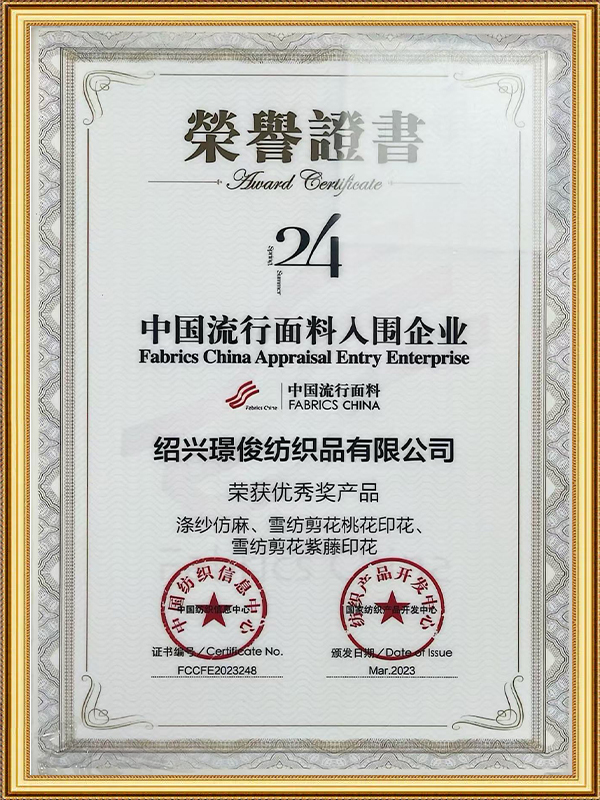
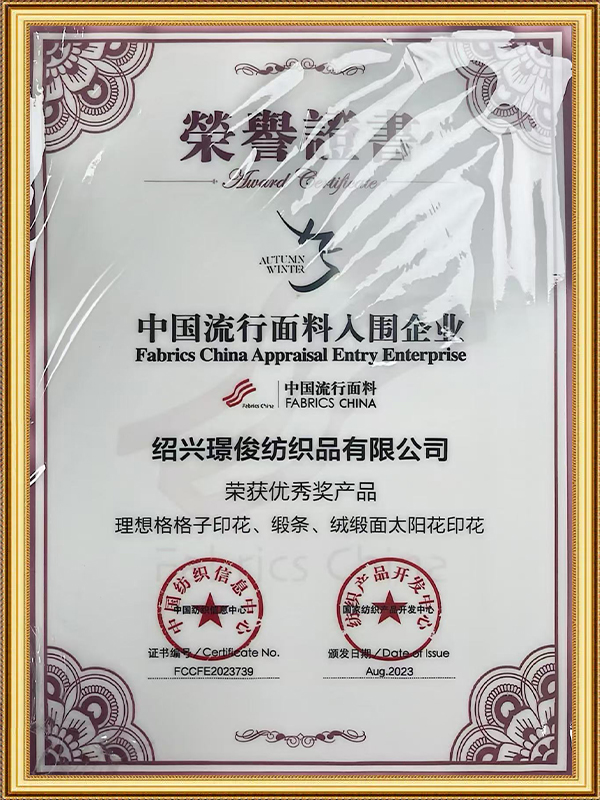
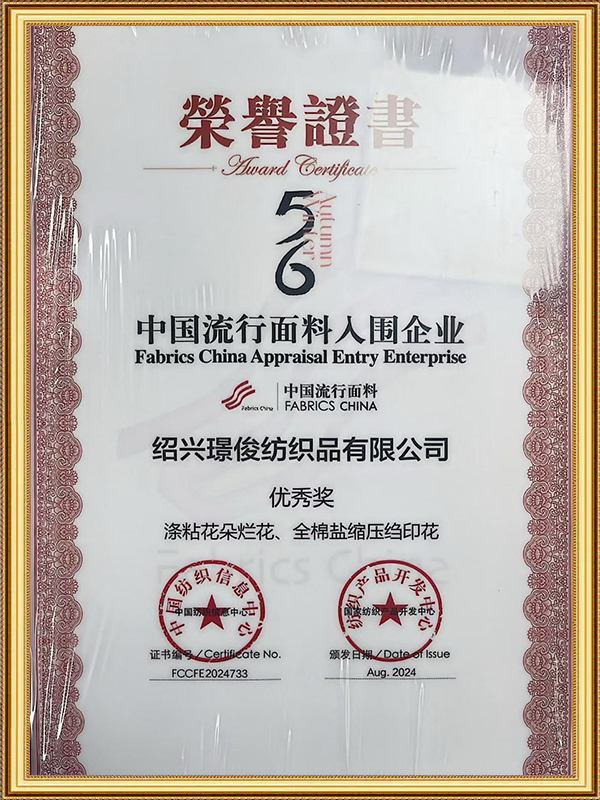
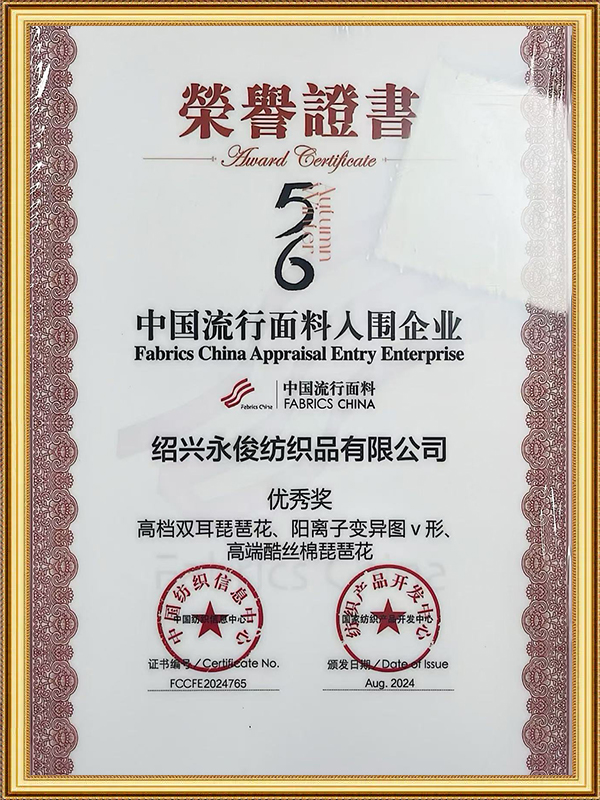
En cuanto a la investigación y el desarrollo de tecnología, Yongjun Textile ha invertido muchos recursos y busca constantemente innovación y avances. La empresa cuenta con instalaciones avanzadas de I+D y procesos de I+D fiables, que pueden responder rápidamente a la demanda del mercado y lanzar productos competitivos. En la actualidad, la empresa ha obtenido varias patentes y certificaciones técnicas, y su nivel técnico está a la vanguardia de la industria.
La empresa actúa profesionalmente en la producción y desarrollo de forros y tejidos femeninos, estableciendo diferentes estándares de calidad para satisfacer las necesidades de los clientes. La marca "Yongjun" se registró en 2006 y las marcas "Jingjun" y "Yuedu" se registraron en 2018. La empresa se mantiene al día con las necesidades de los clientes y las tendencias del mercado en materia de investigación y desarrollo, centrándose en la producción basada en pedidos. Al integrar el comercio y la producción a través de operaciones de hilados y telas grises, la empresa garantiza que su capacidad de suministro no se vea limitada.
En términos de gestión de calidad, Yongjun Textile siempre se ha adherido a estándares estrictos y ha establecido un sistema integral de gestión de calidad. Desde la adquisición de materias primas hasta la producción y el procesamiento, pasando por las pruebas de productos y el servicio posventa, cada vínculo está estrictamente controlado para garantizar la estabilidad y confiabilidad de la calidad del producto.
Además de lograr resultados notables en el mercado interno, los productos se han extendido a más de 60 países y regiones de todo el mundo, incluidos Estados Unidos, la Unión Europea, Reino Unido, Europa del Este (Rusia, Bielorrusia, Polonia, Ucrania, Kazajstán, Kirguistán, Tayikistán, etc.), Canadá, América del Sur (Brasil, Argentina, Chile, Bolivia, Colombia, Panamá, México, etc.), Sudáfrica, Norte de África (Egipto, Túnez, Marruecos, etc.), Medio Oriente (Arabia Saudita, Emiratos Árabes Unidos, Irán, Líbano, Israel, etc.), el sudeste asiático (Tailandia, Malasia, Indonesia, Singapur, Vietnam, etc.) y Asia (India, Nepal, Japón, Corea del Sur, etc.). Se ha establecido una sólida imagen de marca en los mercados internacionales.
Como empresa socialmente responsable, basamos nuestro criterio en el altruismo, esforzándonos siempre por el bienestar material y espiritual de todos los empleados y contribuyendo al desarrollo de la sociedad.
En el plan de desarrollo de marca para los próximos 3 a 5 años, "Yongjun Lining" mejorará la calidad de los productos de alta gama, satisfará las necesidades funcionales de los consumidores, mejorará el conocimiento de la marca y desarrollará más clientes internacionales. "Jingjun Lady Fabrics" desarrollará de forma rápida y precisa nuevos productos para cumplir con los requisitos de las marcas nacionales y extranjeras, acelerará la entrega en el mercado del comercio electrónico, mejorará la calidad del producto y el reconocimiento de la marca y desarrollará clientes internacionales. Las bufandas "Yuedu" fortalecerán el diseño y el desarrollo durante los próximos tres años para apoyar la coordinación de la vestimenta. Además, la compañía incrementará los esfuerzos de aprendizaje de los equipos de I+D y comercial en la profesionalidad textil, mejorará el nivel de gestión digital y aplicará herramientas tecnológicas de gestión. En 2024, la empresa planea establecer una base de producción en otra provincia, con la primera fase de producción de tejido, estampado y teñido, y apoyar el desarrollo de nuevos productos mediante pruebas integrales. La empresa se compromete a resolver los problemas de vestimenta de los consumidores, producir productos de alta calidad y precios razonables, promover el mercado hacia la salud y mejorar las capacidades de innovación independiente de las empresas chinas.
La empresa cuenta con un equipo innovador y de alta calidad. Los miembros del equipo provienen de diferentes orígenes profesionales y tienen una rica experiencia en la industria y capacidades técnicas calificadas. Cooperan y progresan juntos, inyectando un flujo constante de energía al desarrollo de la empresa.
En cuanto a la investigación y el desarrollo de tecnología, Yongjun Textile ha invertido muchos recursos y busca constantemente innovación y avances. La empresa cuenta con instalaciones avanzadas de I+D y procesos de I+D fiables, que pueden responder rápidamente a la demanda del mercado y lanzar productos competitivos. En la actualidad, la empresa ha obtenido varias patentes y certificaciones técnicas, y su nivel técnico está a la vanguardia de la industria.
La empresa actúa profesionalmente en la producción y desarrollo de forros y tejidos femeninos, estableciendo diferentes estándares de calidad para satisfacer las necesidades de los clientes. La marca "Yongjun" se registró en 2006 y las marcas "Jingjun" y "Yuedu" se registraron en 2018. La empresa se mantiene al día con las necesidades de los clientes y las tendencias del mercado en materia de investigación y desarrollo, centrándose en la producción basada en pedidos. Al integrar el comercio y la producción a través de operaciones de hilados y telas grises, la empresa garantiza que su capacidad de suministro no se vea limitada.
En términos de gestión de calidad, Yongjun Textile siempre se ha adherido a estándares estrictos y ha establecido un sistema integral de gestión de calidad. Desde la adquisición de materias primas hasta la producción y el procesamiento, pasando por las pruebas de productos y el servicio posventa, cada vínculo está estrictamente controlado para garantizar la estabilidad y confiabilidad de la calidad del producto.
Además de lograr resultados notables en el mercado interno, los productos se han extendido a más de 60 países y regiones de todo el mundo, incluidos Estados Unidos, la Unión Europea, Reino Unido, Europa del Este (Rusia, Bielorrusia, Polonia, Ucrania, Kazajstán, Kirguistán, Tayikistán, etc.), Canadá, América del Sur (Brasil, Argentina, Chile, Bolivia, Colombia, Panamá, México, etc.), Sudáfrica, Norte de África (Egipto, Túnez, Marruecos, etc.), Medio Oriente (Arabia Saudita, Emiratos Árabes Unidos, Irán, Líbano, Israel, etc.), el sudeste asiático (Tailandia, Malasia, Indonesia, Singapur, Vietnam, etc.) y Asia (India, Nepal, Japón, Corea del Sur, etc.). Se ha establecido una sólida imagen de marca en los mercados internacionales.
Como empresa socialmente responsable, basamos nuestro criterio en el altruismo, esforzándonos siempre por el bienestar material y espiritual de todos los empleados y contribuyendo al desarrollo de la sociedad.
En el plan de desarrollo de marca para los próximos 3 a 5 años, "Yongjun Lining" mejorará la calidad de los productos de alta gama, satisfará las necesidades funcionales de los consumidores, mejorará el conocimiento de la marca y desarrollará más clientes internacionales. "Jingjun Lady Fabrics" desarrollará de forma rápida y precisa nuevos productos para cumplir con los requisitos de las marcas nacionales y extranjeras, acelerará la entrega en el mercado del comercio electrónico, mejorará la calidad del producto y el reconocimiento de la marca y desarrollará clientes internacionales. Las bufandas "Yuedu" fortalecerán el diseño y el desarrollo durante los próximos tres años para apoyar la coordinación de la vestimenta. Además, la compañía incrementará los esfuerzos de aprendizaje de los equipos de I+D y comercial en la profesionalidad textil, mejorará el nivel de gestión digital y aplicará herramientas tecnológicas de gestión. En 2024, la empresa planea establecer una base de producción en otra provincia, con la primera fase de producción de tejido, estampado y teñido, y apoyar el desarrollo de nuevos productos mediante pruebas integrales. La empresa se compromete a resolver los problemas de vestimenta de los consumidores, producir productos de alta calidad y precios razonables, promover el mercado hacia la salud y mejorar las capacidades de innovación independiente de las empresas chinas.

 +86-81163100 / +86-13957571090
 Sala B12148, Wanguo Center, No. 1388, Jinkeqiao Avenue, Keqiao, Shaoxing, Zhejiang, China